
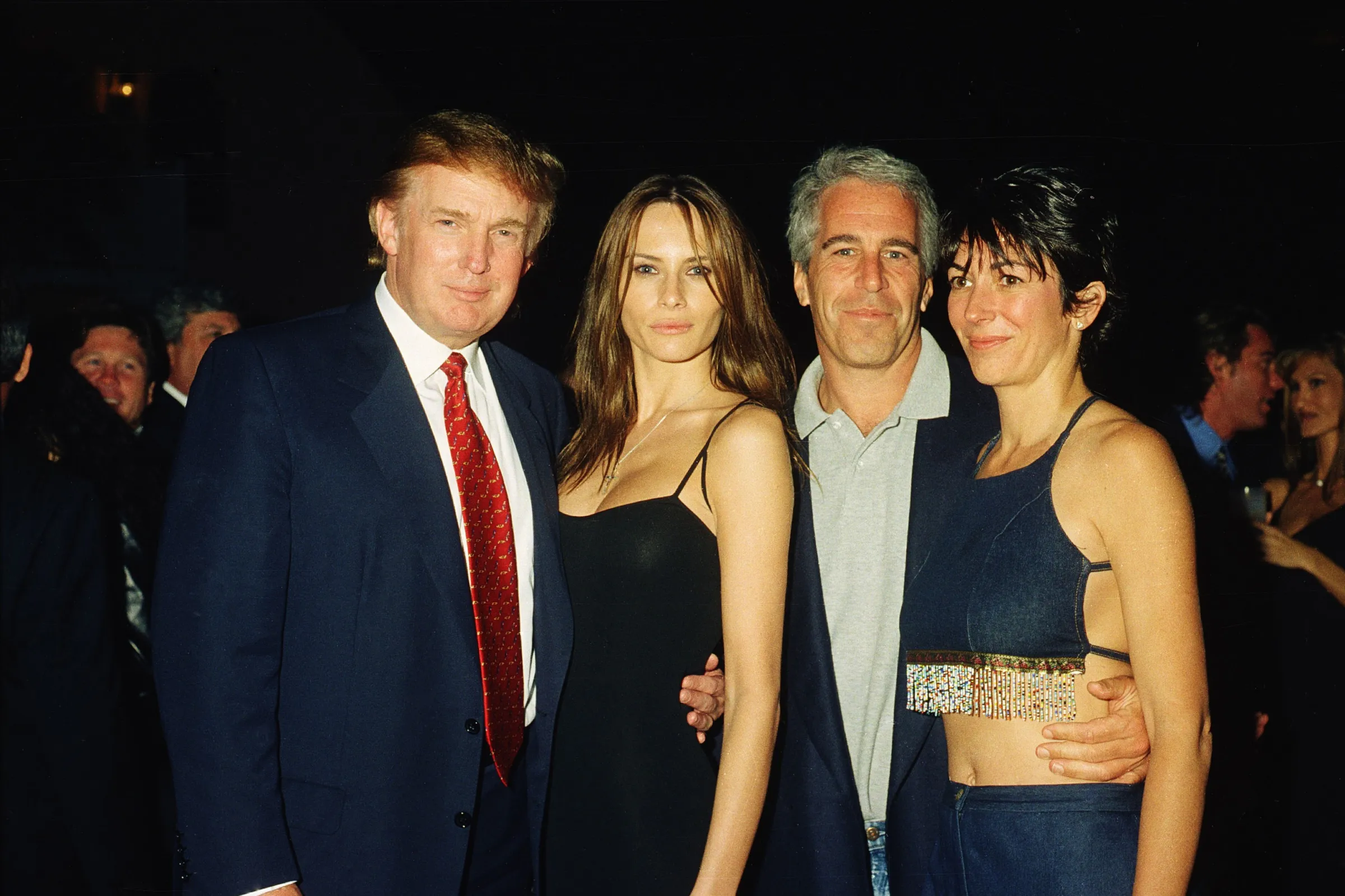
Epstein Files and the Bigger Story: Facts, Allegations, and Missing Answers
Epstein Files Exposed: Facts Over Fiction
The Epstein Files have finally hit the spotlight – and it’s a massive record dump. In January 2026 the U.S. Department of Justice (DOJ) released over 3 million pages of documents (plus ~2,000 videos and 180,000 images) under the new Epstein Files Transparency Act. Combined with earlier releases, that adds up to about 3.5 million pages of material from multiple investigations into Jeffrey Epstein. This isn’t a small report it’s an all-hands-on-deck, transparency marathon. DOJ even admitted they “erred on the side of over-collecting materials”, pulling files from five main sources (Florida and New York Epstein cases, the Maxwell trial, FBI probes, and the Inspector General’s inquiry into Epstein’s death). Hundreds of lawyers (500+ reviewers, in fact) combed through every document to redact only victim identities and sensitive personal info. In short: everything they had on Epstein – beyond images and videos is now on the table, with only legally required redactions (mostly victims’ names).
Background – Epstein’s Case and Death
Let’s back up. Jeffrey Epstein was a wealthy financier and convicted sex offender. He pleaded guilty in Florida in 2008 (serving about 13 months in jail). Years later he was indicted federally in New York (2019) on child sex trafficking charges. In July 2019 he was arrested again, but just a month later Epstein died in jail on August 10, 2019. Officially, the New York medical examiner ruled it a suicide by hanging. The DOJ’s own inspector general report (2023) backed that up: Epstein was found hanged in his cell, New York’s Chief Medical Examiner confirmed it was suicide, and the FBI found no evidence of foul play. (Yes, despite online chatter, every credible investigation has concluded he died by suicide.)
Epstein’s death left many questions, especially because one of his accusers, Virginia “Virginia Roberts” Giuffre, had alleged a vast trafficking ring involving powerful people. Giuffre sued Epstein and Maxwell (settling for millions) and named figures like Prince Andrew. Giuffre died in 2025, but all the high-profile men she accused have vehemently denied wrongdoing. Notably, Prince Andrew settled a lawsuit in 2022 without admitting guilt, and even gave up royal titles amid public pressure. Apart from Epstein and (later) Ghislaine Maxwell who was convicted in 2021 and is serving a 20-year sentence no one else has been charged in connection with his crimes. All of this context matters because the new files include interviews, memos and evidence from those cases.
The Transparency Act and What It Required
The push to release these files wasn’t random it was mandated by Congress. In November 2025, President Trump signed the Epstein Files Transparency Act into law. The law ordered the DOJ to collect and publish all federal documents related to Epstein and co-conspirator Ghislaine Maxwell. The deadline was Dec 19, 2025, but the DOJ said the sheer volume and victim-redaction workload caused a delay. By Jan 30, 2026, Deputy AG Todd Blanche announced the law had been fulfilled with an additional 3 million pages released.
Key milestones under the Act (all corroborated by DOJ announcements and press coverage) include:
- Nov 19, 2025: Trump signs the Transparency Act into law.
- Dec 2025: DOJ misses initial deadline but begins publishing chunks of files. Early drops contained flight logs, photos, etc.
- Jan 30, 2026: DOJ releases 3 million new pages, saying this fulfills the Act. Total released is “nearly 3.5 million pages”.
- Content: The releases span all relevant cases: Epstein’s Florida and New York criminal cases, the Maxwell case, investigations into Epstein’s death, a Florida probe of his former butler, various FBI investigations, and even the DOJ Inspector General’s probe.
By the numbers: over 3M pages, 2,000+ video files, 180,000+ images. (Think of it as a Netflix series worth of evidence.) The DOJ stressed they redacted only victims’ personal info, not public figures. In fact, they “directed that the redactions were to be limited to the protection of victims,” and “Notable individuals and politicians were not redacted in the release of any files”. In layman’s terms: if your name is in the documents as a non-victim, you’ll see it. The agency even warned that the dumps include some fake or sensational claims submitted by random tipsters (including an “untrue and sensationalist” anti-Trump flyer from 2020). DOJ’s point: they handed everything over, warts and all, so none of us can claim “secret evidence” is being hidden it’s on the public server now.
What’s Inside the Files: Key Revelations
So, what did journalists and investigators find when sifting through this mountain of data? Spoiler: there’s nothing like a secret “Epstein black book” telling how to run a criminal enterprise. Instead, the files offer a deeper look at Epstein’s world and connections, not bombshell proof of elite crimes (at least so far). Here’s a rundown of notable content that reputable media have highlighted:
- Influential contacts: Photos and records show Epstein hobnobbing with powerful people for example, released images include Bill Gates, Woody Allen, Steve Bannon, and even Bill Clinton spending time with Epstein. Flight logs from earlier releases confirmed that Donald Trump flew on Epstein’s private jet in the 1990s (long before any alleged falling-out). Crucially, media note that none of these contacts are shown doing anything illegal in the documents. The files simply reveal social and business interactions.
- Email and text exchanges: A flurry of correspondence has made headlines. For instance, emails between Epstein and Elon Musk surfaced showing Musk was invited to visit Epstein’s infamous island. Musk can be seen asking “What day/night will be the wildest party on [your] island?”. (He eventually declines and says “Logistics won’t work this time”.) Musk has publicly said he knew Epstein tried to woo him, and these emails appear to corroborate that: he declined multiple invites to the island. Importantly, there’s no evidence in the emails of any criminal activity by Musk. Musk himself tweeted that “no one pushed harder than me to have the Epstein files released” and that he kept turning down Epstein’s invitations.
- Trump insider Thomas Barrack: Newly released texts show financier Tom Barrack (a longtime Trump ally) staying in regular contact with Epstein even after Epstein’s 2008 conviction. The documents detail social invites and chatter Epstein seemingly treating Barrack as a useful contact. Barrack was in Epstein’s circle long after Epstein’s crimes were public, but critically, CBS reports emphasize no proof Barrack knew about any of Epstein’s criminal schemes. The messages mostly cover social events, introductions to diplomats/investors, and business opportunities. Epstein even urged Barrack to use encrypted messaging apps (apparently to stay off the record).
- DEA drug-financing probe: A 2015 DEA memo in the files links Epstein to a larger investigation of suspicious money transfers (possibly tied to drugs or prostitution) in the Virgin Islands and New York. It mentions Epstein and 14 other individuals as targets of that probe. We don’t yet know all the names (the memo is heavily redacted), but it shows Epstein was on law enforcement’s radar for financial crimes too. This kind of bureaucratic note is dry, but notable since it was previously undisclosed.
- Videos of Epstein’s private life: A surprising element is the trove of video footage over 2,000 clips. Investigative reporters from outlets like The Free Press (CBS-owned) have combed these. They describe “hours” of video showing young women dancing or lying in bed. Many clips have the women’s faces blacked out or blurred (because DOJ treated all women in those videos as victims). Some videos are literally drone shots of Epstein’s private island and family ranch. One clip even shows Epstein’s U.S. passport, marked with a stamp identifying him as a convicted sex offender. All of this is creepy voyeurism but not illicit activity evidence on its own; it’s raw material for investigators.
- Miscellaneous revelations: The files also contain mundane but telling details. For example, one AP-reported story found emails in which Epstein arranged a White House tour for Woody Allen and his wife via a former Obama aide. (It shows Epstein leveraging his Washington connections.) Flight logs revealed that in 2006 Navy Secretary John Phelan flew on Epstein’s plane twice. And as noted, hundreds of pages mention tech and business figures to illustrate Epstein’s social network. None of these equate to smoking-gun criminal evidence, but they flesh out the context.
Bottom line: The raw data confirms Epstein was entrenched in elite circles and aggressively using that network. As Carnegie Endowment corruption expert Sarah Chayes put it, the files show how the super-rich operate together trading favors, insidery introductions, and turning blind eyes to each other’s misdeeds. But crucially, it does not conclusively show that all these contacts were complicit in sex trafficking. Chayes cautions that real-life corruption is often a “gift economy” of favors, not a straightforward quid-pro-quo crime scene. In simpler terms: powerful people were connected, but “If I owe you a favor, I might help your daughter get a local job” it’s murky, not a handshake-for-sex. There’s no evidence the loaded names in the files were all doing what Epstein did.
Fact-Checking: No Cap on Cover-Ups
Let’s no cap clear up the wildest rumors. Some internet chatter has claimed hidden diaries, murder conspiracies, or cover-ups for Big Shots. The facts say otherwise:
- Epstein’s death was suicide, not murder. The DOJ’s Inspector General report (and autopsy) confirm Epstein hanged himself in jail. The FBI concluded no crime was committed in his death. Any claim that Epstein “faked” his death or was killed is baseless. This conclusion is official and backed by documentation.
- No secret “list of names” is missing from the files. DOJ explained they included everything they had. In fact, top DOJ lawyers reported to Congress that every item sent to law enforcement was dumped into the release. That even includes obvious hoaxes and political hits. They specifically noted some contributors sent falsified documents (like anti-Trump smear sheets in 2020), which DOJ still published just to be thorough. In short: if a name isn’t in the documents, it wasn’t in the FBI’s evidence in the first place. Deputy AG Blanche flatly rejected any notion of a cover-up: “There’s this built-in assumption that we’re covering up… that is not the case,” he told reporters. Powerful person or not, the DOJ had to play by the law now.
- Redactions are heavy but targeted. Yes, survivors have blasted the DOJ for too much black-out. Many victims say even details we already knew were redacted anew. But from DOJ’s perspective, they were erring on the side of protecting victim privacy – they “took victim protection very seriously”. By law, Congress allowed redactions of victim IDs, medical info, etc. Victim advocates and some legislators (like Rep. Ro Khanna) are complaining about pages withheld. But remember: redacted docs can still be viewed in full by any member of Congress upon request. So a Senate aide or House member can get the unredacted truth if needed.
- High-profile mentions ≠ wrongdoing. Just because the documents mention figures like Bill Gates, Musk, Trump, or royalty doesn’t mean guilt. Al Jazeera and CBS News both emphasize that none of the named individuals (other than Maxwell) are accused of crimes. For example, Bill Gates appears in a photo from a social event; Musk appears only as someone Epstein chatted with (Musk hasn’t been charged or implicated in any crime). Trump’s name pops up in flight logs and texts, but no evidence links him to Epstein’s illegal conduct. Even Prince Andrew’s image was removed from the island after he left in the early 2000s. The files may confirm connections, but they don’t prove complicity.
- Verified examples:
- Trump’s flights: Flight logs (from an earlier December 2025 release) showed Trump flew on Epstein’s plane twice in the ’90s. No surprise: this was public earlier and Trump himself said they parted ways in the 2000s. The new files don’t change that story.
- Musk’s island invites: The emails are eye-catching, but Musk himself says he turned Epstein down each time. According to TIME, his messages show interest, then a polite decline. We should note: in those years (2012–13), no one fully understood how bad Epstein really was. It wasn’t until 2015 that Virginia Giuffre’s allegations came out and then 2019 when he was arrested. So Musk’s emails took place before the world knew Epstein was a sex predator. As TIME summed it up: “There is no indication in the emails of any wrongdoing by Musk.”
- CIA theories and diaries: The FBI included literally everything sent by the public, so online conspiracies (Epstein diaries naming elites, etc.) would have turned up if real. None have been validated by the DOJ release. Instead, some “sensational” tips went out as-is. But they’re marked as unsourced claims. Treat them like rumors unless confirmed elsewhere. Remember, real government investigations need evidence, not internet chatter.
The overarching theme? The actual takeaway from these files is that Epstein was a major networker who tried to ingratiate himself with power players, and as one corruption expert puts it the files illustrate “how powerful people operate together in networks for mutual gain”. That’s fascinating sociology, but it’s not a smoking gun for a grand conspiracy. The DOJ has been very clear: the purpose here is transparency, not witch-hunts. This was a “tissue of events” tying up elites, as one analyst noted, but so far the documents only hint at those connections, not convict them.
Victims, Redactions, and Oversight
A practical note: If you’re worried about what was hidden, Congress built in a process. Members of Congress can now view unredacted files in a DOJ reading room. At least one Democrat (Ro Khanna) and one Republican (Thomas Massie) have formally asked to see the fully unredacted versions of certain documents. So, elected officials – not trolls on Twitter – get the full picture if they push for it.
Victim privacy is the other big issue. DOJ says they “need not take any further protective measures” beyond redactions. Still, some redactions have been corrected after victims’ lawyers flagged them. DOJ even set up an email (efta@usdoj.gov) for victims to request additional reviews if they spot leaks of identities. In corporate parlance, think of it as “feedback loops” to fine-tune the rollout. A court was updated that DOJ was “making substantial progress” on redactions, reviewing thousands of flagged items. It’s a messy process, but they at least have metrics and oversight (AG Pam Bondi and DAG Blanche sent regular status letters).
The Bottom Line: Stay Curious, Stay Skeptical
At the end of the day, the Epstein files release is a transparency blitz unprecedented in scope, covering a notoriously secretive case. It’s a gift for journalists and “citizen sleuths” to dig into public records. But the litmus test is still “follow the evidence.” Official reports and major media outlets agree on the baseline facts: Epstein was a convicted trafficker who died by suicide; Ghislaine Maxwell is in prison for her role. Many well-known names pop up in their old company, but nothing in the DOJ files (so far) publicly implicates those names in crimes.
As we parse through the zettabytes of data, the best approach is to treat these records like any other government document dump: sift methodically, cite what you find, and be humble about what it actually proves. Epic-level release aside, the DOJ was clear: “everything” on Epstein is now out there. So until specific allegations from these files are proven, we’re in the evidence-gathering phase not the conspiracy-confirmation phase.
In short: the Epstein files give us a detailed look into a secretive, wealthy network. They confirm Epstein’s broad reach and raise questions about power and privilege. But they do not vindicate or indict any new conspiracies on their own. Keep one foot in reality: trust the documents and reputable reporting over clickbait. The DOJ and courts are still focused on transparency and victims. Nothing not even these blockbuster releases changes the fundamental fact that accountability should be driven by evidence, not buzzwords.


Leave a Reply